
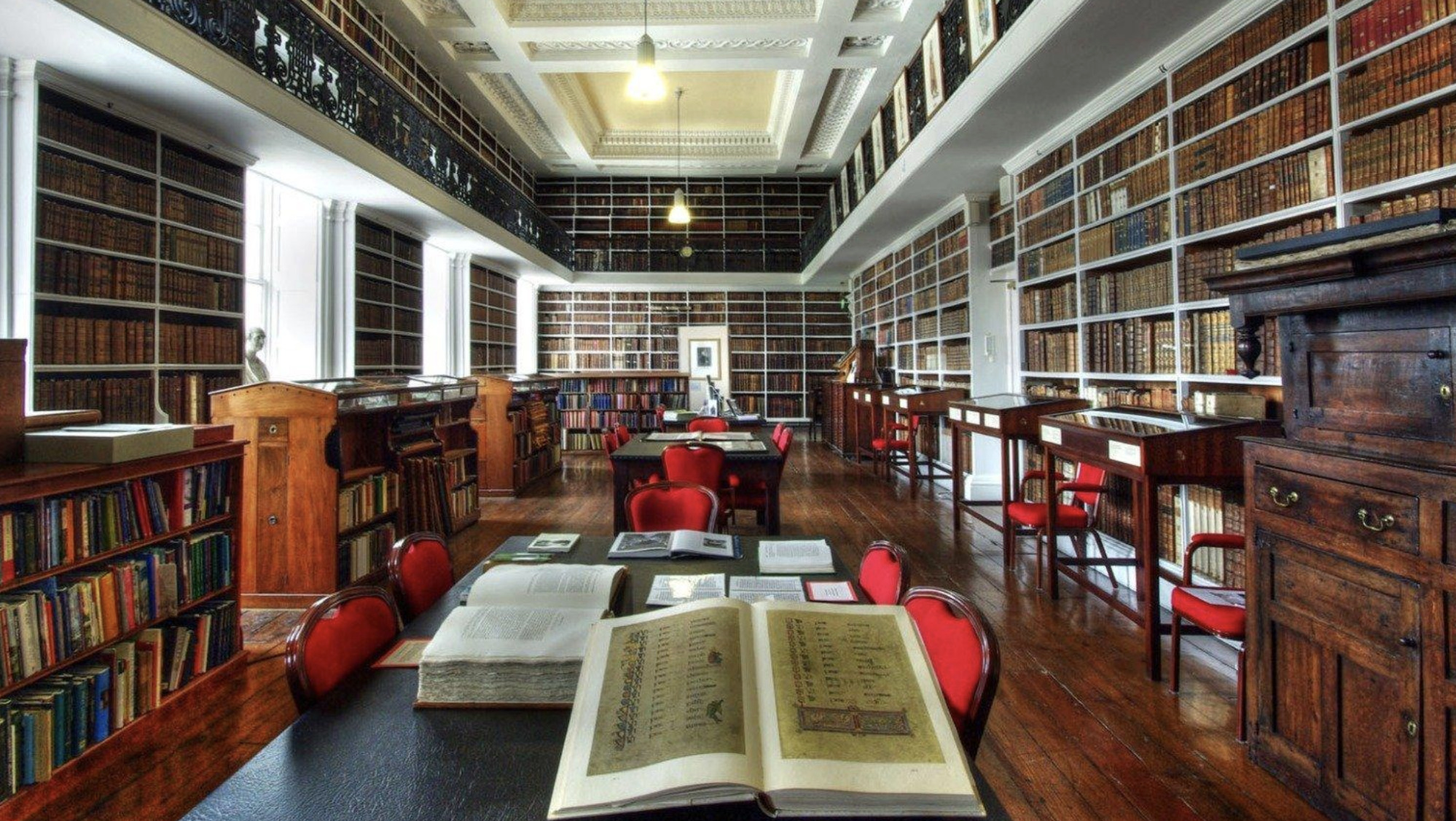
The public domain is the shared cultural commons — the vast body of creative work that is free for anyone to use, copy, adapt, perform and build upon without permission or payment. It is where copyright ends and open culture begins. For a Creative Commons library, the public domain is the deepest part of the collection: works with no rights reserved at all, available to everyone, forever. This guide explains how works arrive there, why the timing matters, and which notable works joined the commons on Public Domain Day 2026.
What "public domain" actually means
A work is in the public domain when it is not protected by intellectual-property law, usually because its copyright has expired. At that point the exclusive rights a creator once held — to copy, distribute, adapt and perform — fall away, and the work belongs to the public. You can reprint it, translate it, remix it, sample it, set it to music, or fold it into something entirely new, with no license required.
Works enter the public domain in three main ways: copyright expires after a set term; the creator deliberately dedicates the work using a tool such as CC0; or the work was never eligible for copyright in the first place (for example, many works produced by the U.S. federal government).
How long copyright lasts
The single biggest factor is time, and the rules differ by region.
The "life plus 70" world. In the United Kingdom, most of the European Union, and much of South America, copyright lasts for the life of the author plus 70 years. That means in 2026, works by creators who died in 1955 enter the public domain in those countries.
The United States. The U.S. uses a different clock for older material: works published before 1978 were protected for 95 years from publication. So works first published in 1930 entered the U.S. public domain on 1 January 2026 — along with sound recordings from 1925. (For works created from 1978 onward, the U.S. also uses a life-plus-70 term.)
This is why copyright scholars talk about Public Domain Day differently depending on where they stand: the same calendar year liberates a different set of works in a life-plus-70 country than it does in the United States.
Why January 1 is "Public Domain Day"
Copyright protection runs to the end of a calendar year, not the exact anniversary of publication or death. So expirations all land together on 1 January. Each New Year's Day, a fresh wave of books, films, music and characters becomes free — an event libraries, archives and artists genuinely celebrate, because it expands the raw material everyone is allowed to use.
What entered the public domain in 2026
The 2026 class is rich. In the United States, thousands of works first published in 1930 are now free to use. Highlights include:
Literature: William Faulkner's As I Lay Dying and Agatha Christie's The Murder at the Vicarage — the first Miss Marple novel. The first four Nancy Drew mystery novels also entered the commons.
Characters: Betty Boop made her debut in 1930, as did Pluto (originally named Rover) and the comic-strip couple Blondie and Dagwood.
Sound recordings: recordings from 1925 joined the public domain under the U.S. rules for early audio.
In life-plus-70 jurisdictions, meanwhile, the focus is on authors who died in 1955 — a separate and equally significant set of works.
A practical caution worth understanding: when a work enters the public domain, it is the specific 1930 version that is freed. Later additions — a redesigned Betty Boop, a modern Nancy Drew storyline, a trademarked logo — can still be protected by copyright or trademark. The public domain opens the original; it does not automatically open everything that came after.
Why the public domain matters
The public domain is not just a legal technicality — it is the engine of culture. Shakespeare's plays, Jane Austen's novels and Beethoven's symphonies are reprinted, adapted and reinterpreted endlessly precisely because no one needs permission. Every new generation can remix the past freely, and the cost of access falls to near zero. A healthy public domain lowers barriers for educators, archivists, filmmakers, musicians and anyone building something new on the shoulders of what came before.
It also pairs naturally with Creative Commons. Tools like CC0 and the Public Domain Mark let creators and institutions place works into, or clearly label works already in, the commons — making them easy to find, trust and reuse.
How to find and use public-domain works
Reliable starting points include the Internet Archive, Project Gutenberg for books, Wikimedia Commons for media, Europeana for European heritage, and Duke University's Center for the Study of the Public Domain, which publishes a detailed Public Domain Day roundup each year. When you reuse a public-domain work, attribution is not legally required — but crediting the source is still good practice and helps others trace the original.
Related reading: Creative Commons Licenses Explained — A Practical Guide for 2026.
➡️ Explore the public-domain collection in this library and start building on it today.